Showing posts with label Behavioral Targeting. Show all posts

Wednesday, July 04, 2018

How to Create a Buyer Persona


How to Create a Buyer Persona

Since digital marketing is becoming more targeted and personalized than ever before, direct-to-consumer (DTC) marketers should know their audiences better than ever. One way to create engaging content is to create it for a Buyer Persona, or an approximation of someone who fits within your target demographic.

Key Facts:


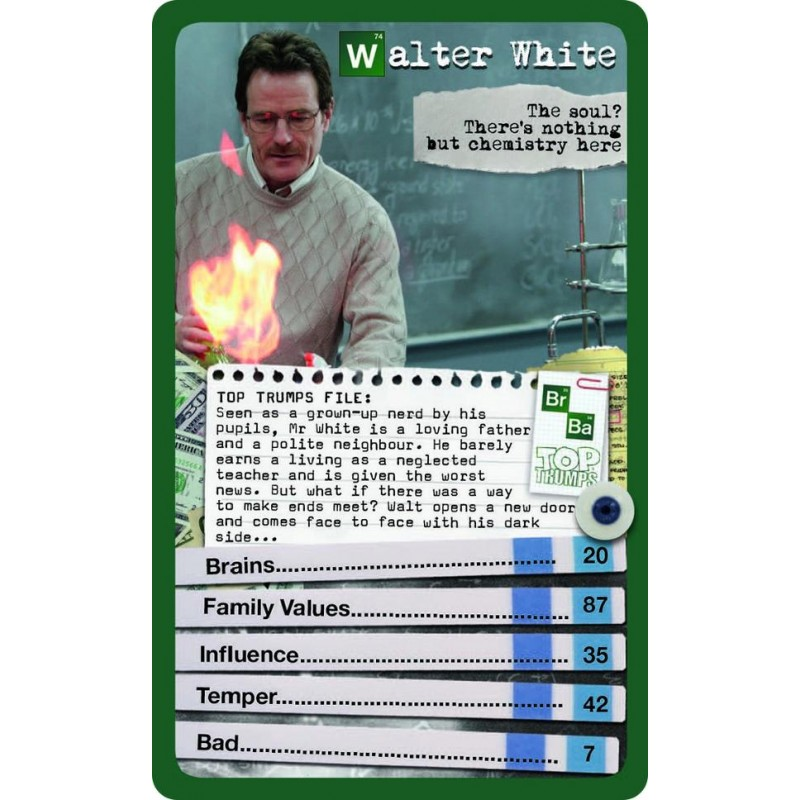
A buyer persona is a little like a Top Trumps card - only more useful.
According to Rob Peterson, founder of BarnRaisers agency, buyer personas can improve the following aspects of a marketing campaign: Targeting and positioning, messaging and media, defining purchase motivations in the buying process, establish company alignment, and creating a human face for sales and marketing.

To build a buyer persona, 

  1. Check your site and social media platform analytics for inspiration
  2. Create a buyer profile, complete with personal details and customer-specific information, like preferred news sources. I liked the suggestion to start with a famous character with obvious characteristics (see the example, left)

Example: Walter White's Buyer Persona


building-buyer-personas


Download a free Buyer Persona generator template here: https://blog.hubspot.com/marketing/build-buyer-personas


Read more here:
https://www.buyerpersona.com/what-is-a-buyer-persona

https://www.businessesgrow.com/2014/02/12/31-business-building-benefits-buyer-personas/

https://digitalmarketinginstitute.com/en-us/blog/2017-4-27-the-beginners-guide-to-defining-buyer-personas

Sunday, October 25, 2015

Facebook implements new ad formats to support brands' marketing initiatives and to boost conversions.

 Facebook has implemented several new products to help brands increase their advertising performances.

The first product—Carousel Advertisements, allow brands to show multiple images and ultimately a link to some actions. The Carousel Ads are 10 times better at getting people to click through compared to the static sponsored posts.  Even the best of mobile banner ads garners only half of Click-Through Rate than that of a typical Carousel Ad.

The Carousel Ads also make users more likely to recall brands’ advertising campaigns. Compared with a 14-point lift from single-image ads, Carousel campaigns led to a 20-point boost in ad recall, as they allow for more of a conversation than a quick flyby.

In addition, Facebook announced earlier this week that it would feature on its mobile app a new video section, which would be populated with content that has been liked and saved by users, recommended by their friends, and posted by pages they follow. This approach would depart from Facebook’s current strategy of permeating users’ news feeds with non-targeted run-of-network videos.  Facebook also plans to improve its “Suggested Videos” tab to offer videos according to users’ profile and past viewing preference.

This could allow brands to provide differentiated viewing experience on YouTube and Facebook. Brands could post popular contents on Facebook such as media credits and recent campaigns, while utilizing YouTube to feature videos about product details and tutorials to cater to brand enthusiasts.

Moreover, Facebook rolls out a test of a Shopping feed that aggregates posts and photos about products on sale from brands chosen by users. There will also be a “Search” bar and a “Suggestion” tab, which includes brands that are recommended based on friends’ preferences. In addition, the Shopping feed includes a Canvas function, which subsequently takes users to a full-screen experience within Facebook, allowing them to browse merchandises and peruse product information. The platform will eventually enable e-commerce, from which Facebook decides not to take a percentage of sales.

Besides Facebook, other social media companies have also undertaken initiatives to facilitate interactions between brands and followers. WeChat, the Chinese all-encompassing app, has developed its own commercial “Shop” feature, allowing verified brand accounts to converse with clients to provide customer services, and to display and sell merchandises on the transaction platform developed in collaboration with Alipay. Pinterest will also soon team up with brands to allow people to plaster their immediate to long-term shopping plans on Pinterest boards, based upon which brands could fire different kinds of creative pins to encourage actions. Pinterest is also expanding tech partnerships and developing functionality offered through the ad software program to improve its metrics measurement and to optimize its behavioral targeting.


Links: